

April 2026: Scaling impact across Bangladesh
The $100 impact: Proactive care at Dhaka Uddan
"What does $100 actually do?" - we recently put this to the test at our newest Urgent Care Center in Dhaka Uddan.
Most families there wait until they are severely ill to seek help because a trip to the hospital is just too expensive. We wanted to see if we could break that cycle.
In a single day, we ran a health camp that supported 50 people for exactly $100.
That is just $2 per person. Here is what that looked like on the ground:
Real time with a doctor: 50 neighbors had a proper consultation to catch small issues before they turned into emergencies.
Essential screenings: We checked vitals and BMI for everyone, catching early signs of things like hypertension that usually go unnoticed.
Digital follow-up: Every patient was logged into our system, so this wasn't just a one-day event—it’s the start of their long-term care.
By bringing a pop-up healthcamp directly to their doorstep, we removed the two biggest hurdles: travel and cost.
Our goal is to keep doing this. If you’d like to fund a full camp and protect the next 50 families, you can do that here!
In the News: When the sight fails, everything else does too
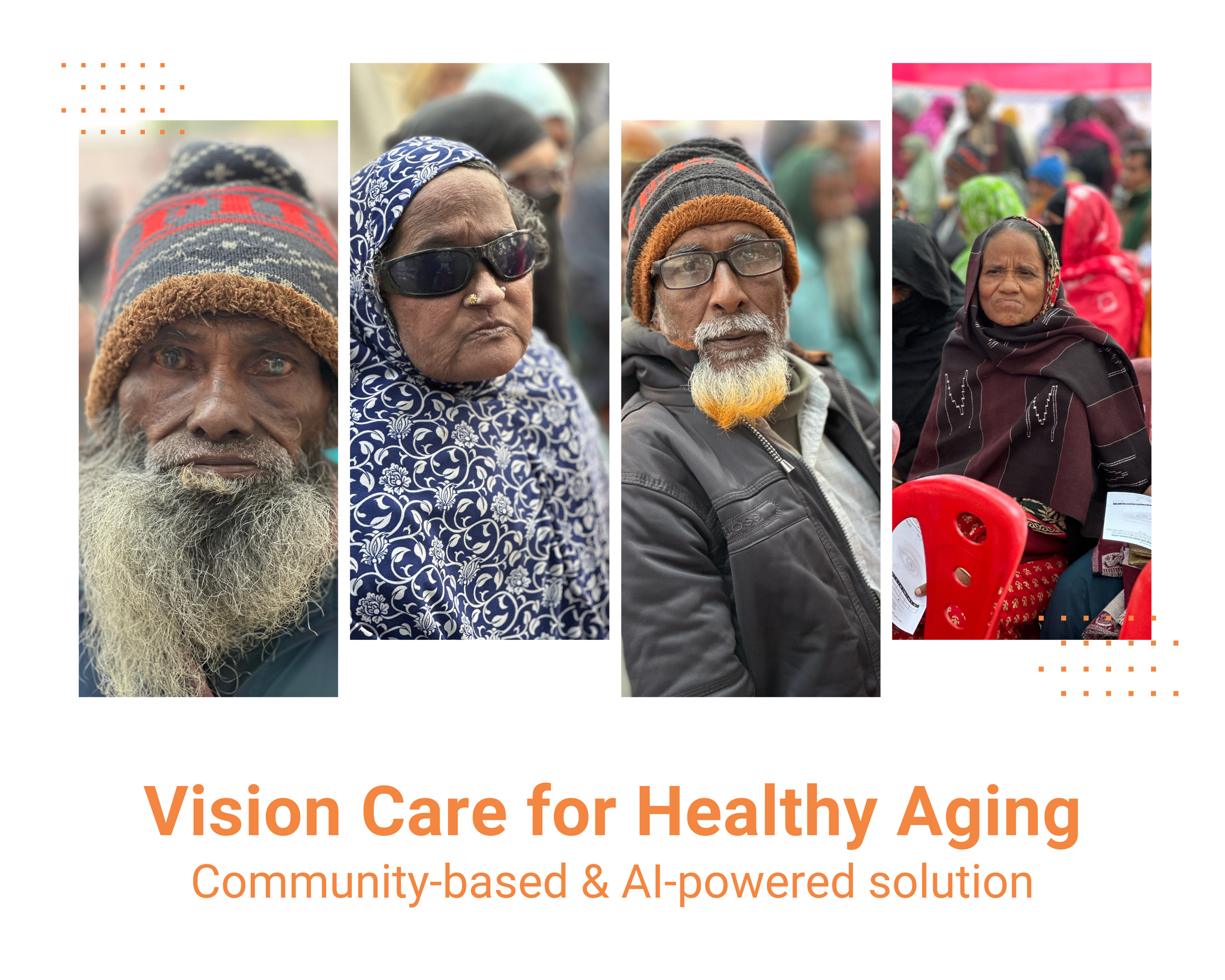
Our Director of Impact and Innovation Lab, Tahsin Ifnoor Sayeed, recently authored an insightful piece for Global Health Connector on the future of Spreeha's vision care program.
The article explores how Spreeha is tackling preventable blindness - the leading cause of dependency among our seniors. By combining community-based care with digital tools, we’ve already facilitated over 40,000 successful surgeries.
As Tahsin writes:
"Our work sits at the intersection of two critical conversations in global health: caring for ageing populations in resource-constrained settings and deploying digital health technology in ways that are contextually appropriate, clinically sound, and equitably accessible....In Bangladesh and beyond, this is what healthy ageing should look like: not the management of decline, but the recovery of possibility."
Jamalpur: Solving Hyper-Local Health Challenges
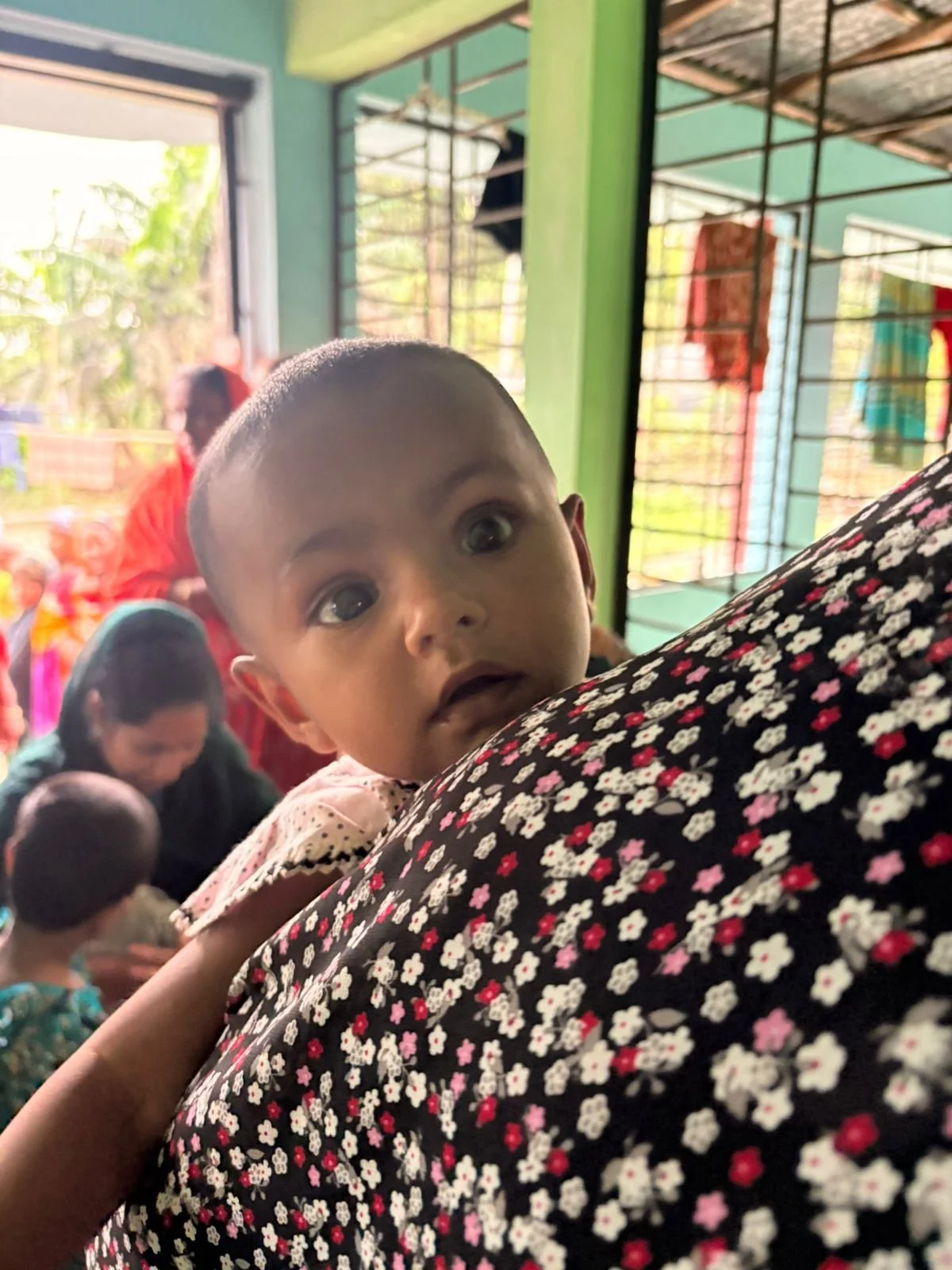
The biggest hurdle in Jamalpur is visibility
Families who have recently migrated or live in remote areas, healthcare often doesn’t exist until a situation becomes critical
Reaching the "Invisible" Patient
We recently identified a mother seven months into her pregnancy who had moved from another district. She had never seen a doctor or received a single vaccination. She wasn't avoiding care; she just wasn't on anyone's radar. Our community health workers found her at home, and she is now receiving regular prenatal care at the center.
Current Impact in Jamalpur:
Outbreak Response: Running a targeted measles vaccination campaign to support government efforts during the current outbreak.
Building Trust: We’re seeing a shift toward family-based care, with sisters-in-law arriving together for vaccinations.
Beyond Health: Assisting with birth registration to ensure every child we treat has the legal documentation needed for their future.
We don’t wait for patients to reach us; we go to them. Your support ensures our team can continue finding those who have fallen through the cracks.
With your support, we can expand healthcare access and transform lives.